
You read the same paragraph three times. A word you use every day just will not come. By 3pm you are staring at a screen with the vague sense that your brain is running through syrup. That is what people mean by brain fog — trouble concentrating, slowed thinking, forgetfulness and mental fatigue, all at once.
Here is the thing most articles skip: brain fog is not a medical diagnosis. It is a description of how you feel. That matters, because it means "how do I get rid of brain fog" is really the question "what is causing mine?" — and the honest answer is that you have to find your cause before you can fix it.
The 9 most common causes of brain fog
Work through this list roughly in order. The first four are the ones most people can fix themselves. The last five usually need a doctor.
1. Not enough sleep — or broken sleep
The single biggest driver. Adults generally need seven or more hours, and quality matters as much as quantity. Loud snoring, gasping at night or waking unrefreshed after eight hours can point to sleep apnoea, which is treatable and badly underdiagnosed.
2. Dehydration and skipped meals
Mild dehydration is linked with reduced attention, and thirst arrives late as a warning. Skipping breakfast then running on coffee gives you a sharp hour followed by a crash. Neither is glamorous, but both are cheap to rule out.
3. Chronic stress and mental overload
Sustained stress takes up working memory — the mental workspace you need to hold a thought. When it is full of worry, there is less room for the task in front of you. Anxiety and depression both produce genuine cognitive symptoms, not imagined ones.
4. Digital overload and constant switching
Every notification costs you a re-entry into the task. Hours of rapid switching feel like fog by the afternoon. It is not damage — it is depletion, and it responds quickly to fewer interruptions and real breaks.
5. Low iron or vitamin B12
Both are classic, easily missed causes of foggy thinking and fatigue. Risk is higher if you are vegan or vegetarian, over 60, pregnant, have heavy periods, or take metformin or long-term acid-reducing medication. A simple blood test settles it.
6. Thyroid problems
An underactive thyroid is strongly associated with brain fog, alongside tiredness, cold sensitivity, weight change and low mood. It is diagnosed with a blood test and treated with medication, with dosing adjusted over time by your doctor.
7. Medication side effects
Antihistamines, some sleep aids, certain blood-pressure and pain medications, and several psychiatric drugs can dull alertness. Never stop a prescription on your own — but do raise it with your prescriber if the fog started when the medication did.
8. Alcohol, and recovering from illness
Alcohol wrecks sleep architecture even when you sleep long enough. And cognitive fog after a viral infection is a recognised, well-documented phenomenon that can persist for weeks or months — it deserves proper medical follow-up, not willpower.
9. An underlying condition
Diabetes and blood-sugar swings, autoimmune conditions such as lupus or multiple sclerosis, fibromyalgia, chronic fatigue syndrome and hormonal transitions including perimenopause all list cognitive symptoms. Persistent fog deserves a real workup.
⚠️ When to stop self-treating and see a doctor
Brain fog is usually benign, but it is also how several treatable conditions announce themselves. Book an appointment if any of these apply:
- The fog is getting worse over weeks or months rather than fluctuating
- It does not improve after a stretch of decent sleep and rest
- It comes with headaches, vision changes, numbness, weakness or loss of coordination
- You have unexplained weight change, persistent fatigue, or feel cold all the time
- You are getting lost in familiar places or struggling with everyday tasks you used to do easily
- It started when you began a new medication
- You are experiencing low mood, hopelessness or loss of interest alongside it
What actually helps — and what is just marketing
Brain fog is a lucrative market, so the space is crowded with confident promises. Here is an honest split.
← swipe to see the whole table →
| What you might try | Does it help? | The honest note |
|---|---|---|
| Fixing your sleep | ✅ Strongly | The highest-value change available, and the one people most often skip because it is inconvenient rather than difficult. |
| Treating a real deficiency (iron, B12, thyroid) | ✅ Strongly — if you have one | Correcting a genuine deficiency can noticeably improve symptoms. Supplementing when you are not deficient does nothing. |
| Regular movement and daylight | ✅ Yes | A daily walk outdoors supports sleep, mood and alertness at once. Unspectacular, consistently effective. |
| Water and regular meals | ✅ Yes, modestly | Rarely the whole answer, but cheap, fast and easy to rule out before you spend money elsewhere. |
| Caffeine | ⚠️ Short-term only | Borrows alertness from later. Anything after early afternoon can damage the sleep that would have fixed the fog. |
| Focus music and audio tracks | ⚠️ Comfort, not cure | Can mask distractions and help you settle into work. Does not treat an underlying cause. |
| "Nootropic" blends and brain supplements | ❌ Mostly no | Evidence for proprietary blends is thin and the claims are usually far ahead of the research. Treat bold promises as a warning sign. |
| Detoxes and "brain cleanses" | ❌ No | Your liver and kidneys already do this. There is no credible mechanism here. |
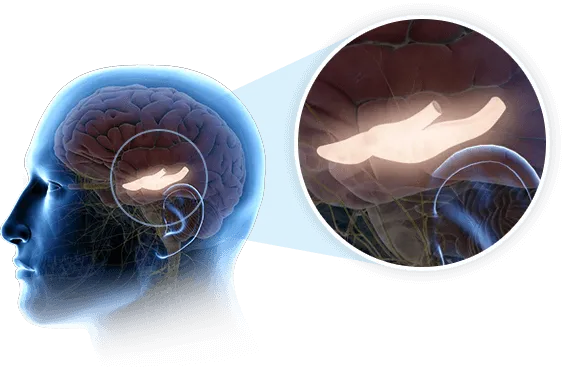
Brainwave-based products are popular for fog — but they address the symptom, never the cause.
A 14-day plan to find your cause
Instead of changing everything at once and learning nothing, run this as a short experiment.
Days 1–3: remove the obvious
- Protect sleep. Pick a fixed wake time and count back 8 hours for bedtime. Same time every day, weekends included.
- Drink water through the day, not all at night.
- Eat a real breakfast with protein. Skip the coffee-only morning.
- Cut alcohol entirely for the two weeks. It is the cleanest single test you can run.
Days 4–10: track and reduce load
- Keep a two-line daily note: hours slept, and fog rated 1–10. Patterns show up faster than you expect.
- Walk outdoors for 15 minutes in daylight, ideally in the morning.
- Batch your notifications. Phone face-down and out of reach during focused work.
- Take real breaks — away from a screen, not scrolling a different one.
Days 11–14: decide
- If the fog has clearly lifted, you found it. Keep the habit that did it.
- If it has not improved despite good sleep, book a doctor's appointment and take your notes with you.
- Ask specifically about iron, vitamin B12, thyroid function and blood sugar, and mention any medication you take.
The habits behind clearer thinking are the same ones behind better concentration generally — we cover the full picture in our pillar guide on how to improve focus and concentration.
Thinking about a paid focus audio?
One of the most talked-about products in this space is The Genius Song (also sold as The Genius Wave). I reviewed it honestly — the claims, the price, and who it is not for.
Read the honest review →Frequently asked questions
How long does brain fog last?
It depends entirely on the cause. Fog from a bad night of sleep, a hangover or a stressful week usually lifts within days once the trigger is removed. Fog driven by a nutrient deficiency, a thyroid problem or a post-viral illness can last weeks or months and often needs medical treatment to resolve.
What is the fastest way to clear brain fog?
There is no instant fix, but the fastest reliable levers are sleep, water, food and movement. A full night of sleep, a glass of water, a real meal with protein and a ten-minute walk outdoors will lift mild fog faster than any supplement. If the fog keeps returning despite those basics, the cause is likely medical and worth investigating.
Can vitamin B12 deficiency cause brain fog?
Yes. Low vitamin B12 is a well-recognised cause of poor concentration, memory problems and mental fatigue, and it is more common in people who are vegan or vegetarian, over 60, taking metformin or long-term acid-reducing medication. It is diagnosed with a simple blood test, and correcting a genuine deficiency often improves symptoms. Supplementing without a deficiency does not help.
Is brain fog a sign of something serious?
Usually not, but it can be. Brain fog is a symptom rather than a diagnosis, and it appears in thyroid disease, anaemia, sleep apnoea, depression, autoimmune conditions, diabetes and post-viral illness. See a doctor if the fog is getting worse, does not improve with sleep and rest, or comes with headaches, vision changes, numbness, weakness or unexplained weight change.
Can focus music or audio tracks cure brain fog?
No. Background audio can make it easier to settle into a task and mask distractions, which some people find genuinely useful. But it does not treat the underlying cause of brain fog. If poor sleep, low iron or an untreated thyroid problem is driving your fog, no audio track will fix it.
Does dehydration really cause brain fog?
Mild dehydration is linked with reduced attention and slower mental performance, and it is extremely easy to miss because thirst is a late signal. It is rarely the whole story, but it is one of the cheapest things to rule out. Drink water consistently through the day rather than trying to catch up at night.
Why do I get brain fog in the afternoon?
An afternoon dip is normal human biology, driven by your circadian rhythm. It is made worse by a short night, a heavy lunch, too much caffeine too late in the morning, or hours of screen work with no breaks. Try a short walk outdoors, daylight exposure and a lighter lunch before assuming something is wrong.