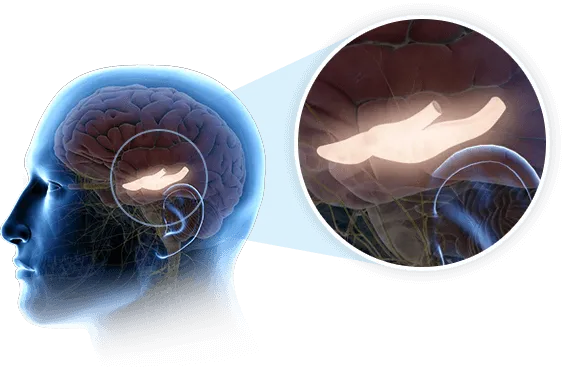
Search "40 Hz gamma waves benefits" and you will find two very different worlds. One is careful neuroscience from places like MIT. The other is a flood of products promising that a single audio track will unlock genius-level focus. This guide separates the two, so you know what 40 Hz can realistically do — and what it cannot.
What are gamma waves and why 40 Hz?
Your brain produces electrical rhythms, measured in hertz (cycles per second). Slower waves show up when you are drowsy or relaxed; faster ones appear when you are alert and engaged. Gamma waves are the fastest common band, roughly 30 Hz and above.
40 Hz sits right in the gamma range, and it gets special attention because it appears often when the brain is actively processing and "binding" information — pulling sights, sounds and thoughts into one coherent moment. That link to sharp, engaged thinking is exactly why 40 Hz became the headline number.
The real benefits of 40 Hz gamma activity
Here is what the research genuinely connects to gamma activity around 40 Hz. Note the wording — these are associations and lab findings, not guarantees.
- Attention and alertness. Gamma activity tends to rise during focused, engaged tasks.
- Memory binding. 40 Hz rhythms are involved in tying pieces of information together into a single memory or perception.
- Information processing. Gamma is associated with the brain coordinating activity across regions quickly.
- Brain-health research. This is the headline area: scientists have studied whether delivering steady 40 Hz stimulation could support brain function, especially in aging and memory.
What the MIT-style research actually showed
The studies people cite most come from lab research (including well-known work at MIT) using controlled 40 Hz light and sound stimulation — think precise flickering light and calibrated tones delivered in a lab, often first tested in mice. Early results on brain activity were interesting enough to spark human trials.
That is real, careful science. But it is important to be clear about what it is not.
Can 40 Hz audio really change your brainwaves?
This is the practical question. The idea behind focus audio is entrainment: the theory that a steady external rhythm can nudge your brainwaves to sync with it. There is genuine science behind entrainment as a concept — rhythmic light and sound can influence brain rhythms.
The honest catch is that we do not have strong proof that a consumer audio track, heard casually through headphones, produces a meaningful, lasting 40 Hz shift in the way lab equipment can. The effect may be small, temporary, or different from person to person.
There is also a simpler explanation worth keeping in mind: steady, pleasant background sound helps many people focus just by masking distractions and creating a calm work cue. That benefit is real — and it does not require any special frequency at all.

Headphones matter: entrainment audio depends on delivering the sound cleanly to both ears.
Is 40 Hz sound safe?
For most people, listening to audio at a comfortable volume is low risk. Two sensible cautions:
- Seizure history. Anyone with epilepsy or a seizure disorder should be careful with rhythmic light or sound stimulation and talk to a doctor first.
- Volume and hearing. Keep the volume moderate; louder is not "more effective," it is just louder.
What to realistically expect
If you try a 40 Hz or gamma-style track, here is a fair mindset:
- It might help you settle into a task, mostly by giving you a calm, consistent sound to work against.
- It will not rewire your brain or replace sleep, movement and focused practice — the habits that do the heavy lifting.
- Results vary. Some people love it; others feel nothing. The only way to know is to test it on yourself, honestly.
For the full picture of what actually builds concentration, see our pillar guide on how to improve focus.
Thinking about a 40 Hz focus audio?
One of the most talked-about products in this space is The Genius Song (also sold as The Genius Wave). I reviewed it honestly — the claims, the price, and who it is not for.
Read the honest review →Frequently asked questions
What are the benefits of 40 Hz gamma waves?
In lab settings, 40 Hz gamma activity is linked to attention, memory binding and information processing, and controlled 40 Hz stimulation is being studied for brain health. These are early research findings using specialized equipment, not proven outcomes from listening to consumer audio tracks.
Can listening to 40 Hz audio actually change my brainwaves?
Sound can nudge brain rhythms toward a beat, an effect called entrainment, but how strong or lasting this is with everyday audio through earbuds is unclear. Any focus boost may also come simply from calm, steady background sound that masks distractions.
Is 40 Hz sound safe?
For most people, listening to audio at a comfortable volume is low risk. However, anyone with epilepsy or a seizure history should be cautious with rhythmic light or sound and check with a doctor first. This article is educational, not medical advice.
Do 40 Hz focus products like The Genius Song really work?
Some users report feeling calmer and more focused, which may be real for them. But promising lab science on the 40 Hz technique is not proof that a specific paid audio delivers the same results. Read an honest review and treat it as a focus aid, not a cure.